What to check before planning a trip to the Hatta mountains
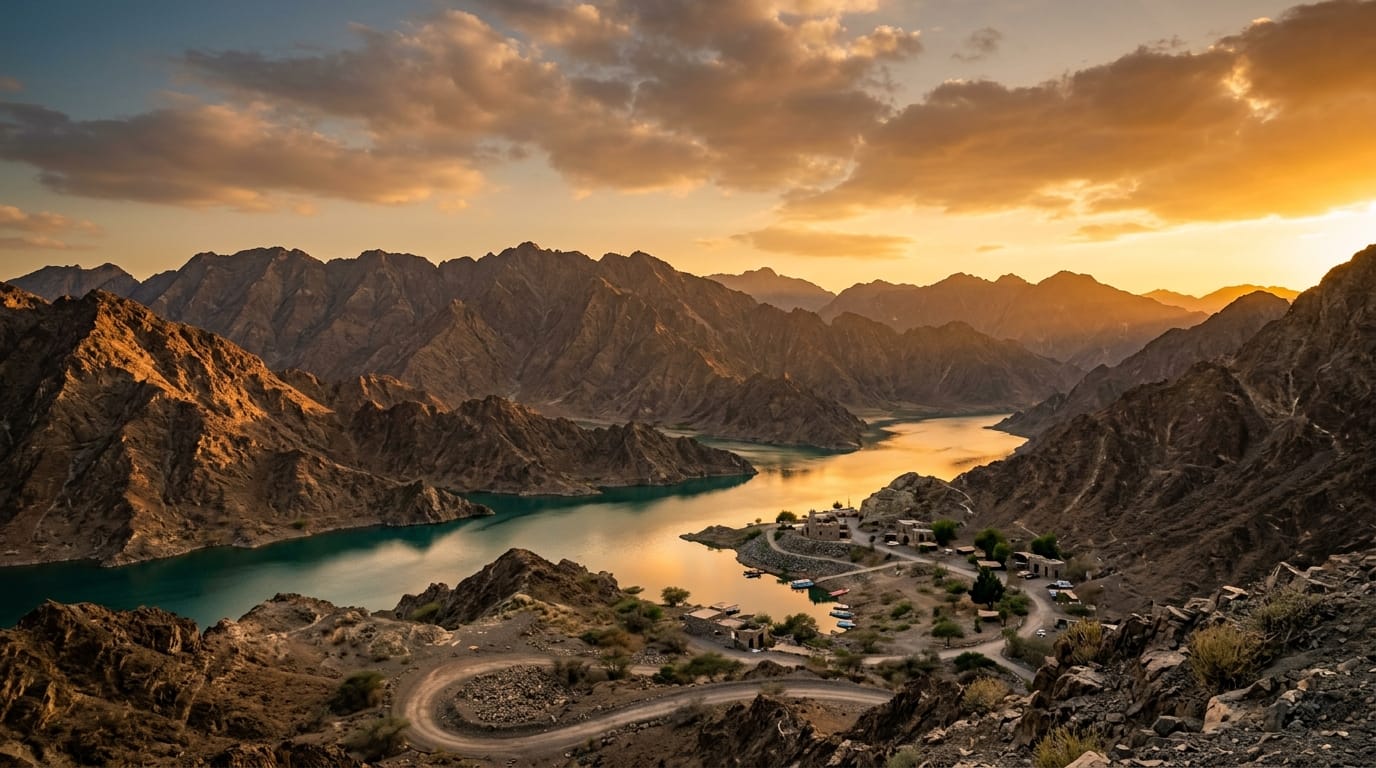
The Hatta mountains offer a change of pace from the city. Rugged peaks, rocky wadis and calm reservoir waters make this region a popular escape. But a good day out depends on a few practical checks before you leave. Whether you are driving up for a few hours or staying overnight, knowing what to expect saves time and avoids frustration.
Road conditions and your vehicle
The drive to Hatta takes you through winding mountain roads. Most of the route is sealed and well maintained, but the last sections can include steep gradients and sharp bends. Check that your car is in good shape before setting out. Tyres should have adequate tread and be inflated correctly. Brakes need to respond smoothly, especially if you are carrying a full load. Engine coolant and oil levels matter on longer climbs in warmer weather. If you drive a low-clearance vehicle, watch out for the occasional rocky section near some of the side tracks. A 4x4 is not necessary for the main attractions, but it gives you more flexibility if you want to explore unpaved paths.
Weather and what to wear
Temperatures in the Hatta mountains can differ noticeably from the coast. Summer afternoons are hot, but the shade of the wadis stays cooler. Winter months bring cold mornings and evenings, sometimes dropping below 10 degrees Celsius. Check the forecast for the specific day and pack layers. A light jacket or fleece is useful even in spring. Sturdy footwear matters: the ground is uneven, with loose stones and dusty trails. Trainers with good grip work for most walks, but hiking boots give better ankle support on longer routes. A hat and sunglasses help against the glare off the rocks and water. Sunscreen is not optional, as the reflection from the surroundings increases exposure.
Rain is rare in the region, but when it does fall the wadis can flood quickly. If the forecast shows heavy rain, postpone the trip. Flash floods in narrow valleys are dangerous and difficult to predict on the ground. Check local advisories before you drive into any wadi area.
Opening hours and entry requirements
Several popular spots in the Hatta area have specific opening times. The Hatta Heritage Village, for example, opens late morning and closes in the evening. The Hatta Wadi Hub operates on its own schedule, and some activities like kayak rentals run only during daylight hours. Check the official pages for each site before you go. Some attractions require a small entry fee or advance booking, especially on weekends and public holidays. Arriving without a reservation can mean long waits or missing out entirely. If you are planning to use the Hatta Hill Park or the Hatta Mountain Bike Trail, confirm that they are open, as maintenance or seasonal closures sometimes happen without much notice.
Activities and equipment you might need
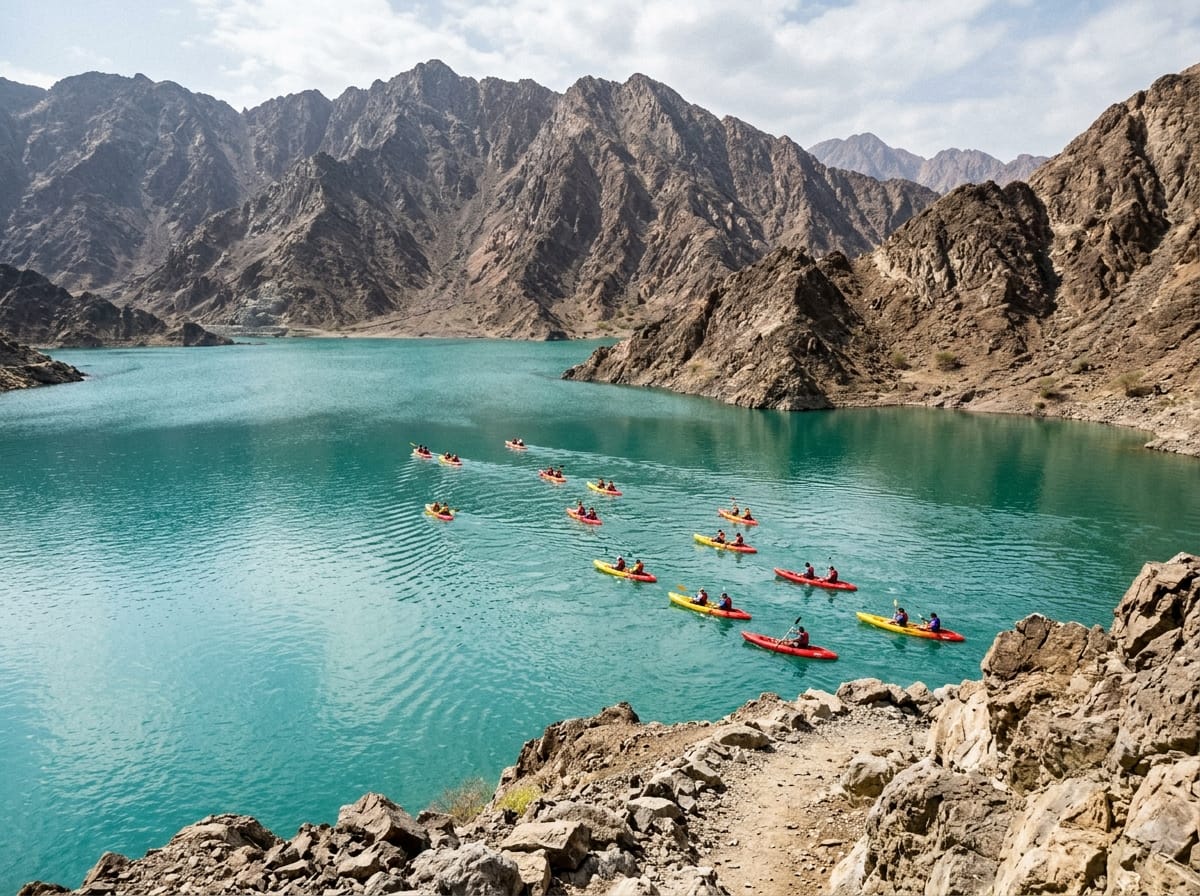
The range of things to do in the Hatta mountains is wide, and each activity has its own gear requirements. For kayaking on the Hatta Dam, you need a life jacket and a paddle. Rentals are available at the dam, but they can run out on busy days. Bringing your own equipment is fine if you have it, but check the rules about private kayaks or paddleboards before you go. For cycling on the Hatta Mountain Bike Trail, a well-maintained mountain bike is essential. The trail includes technical sections that require good brakes and suspension. If you plan to hike to the Hatta rock pools, carry plenty of water, at least two litres per person for a half-day walk. The route is not marked in detail, so a GPS app or a downloaded map is a good idea. For a more relaxed visit, the Hatta Fort and the Heritage Village are easy to explore without any special gear.
Food and water supplies
Restaurants and cafes exist in Hatta, but the choice is limited. A few small grocery stores and takeaway spots operate near the main areas, but they may close early or have limited stock. Pack your own food and drinks for the day. A cooler bag with sandwiches, fruit and snacks works well. Water is the most important item: bring more than you think you need. The dry air and physical activity increase your fluid requirements. If you are staying overnight, check whether your accommodation has cooking facilities or a restaurant. Some rental cabins and glamping sites provide a kitchenette; others do not.
Phone signal and navigation
Mobile reception in the Hatta mountains is generally good near the main settlements, but it fades in the deeper wadis and on some sections of the mountain road. Download offline maps of the area before you leave. A physical map is a reliable backup. Tell someone your planned route and expected return time if you are going on a long hike or bike ride. The emergency number in the UAE is 999, but response times in remote areas can be longer than in the city. A portable power bank for your phone is useful, especially if you use your device for navigation or photos.
Timing your visit
Weekends and public holidays bring crowds to the Hatta mountains. The dam, the kayak rental point and the Wadi Hub can get busy by mid-morning. Arriving early, around 7 or 8 am, gives you a quieter experience and better parking. Weekdays are much calmer, and you will find more availability for activities and accommodation. The cooler months from October to March are the most comfortable for outdoor activities. Summer visits are possible, but plan for early morning or late afternoon outings and avoid the midday heat. Check the sunset time as well, as many outdoor areas are not well lit and navigating back in the dark can be tricky.
Accommodation options
If you plan to stay overnight, research the available lodging in advance. Options range from camping at designated sites to hotels and guesthouses. Each has different rules about check-in times, noise levels and amenities. Some places provide bedding and towels; others expect you to bring your own. Confirm whether the accommodation has air conditioning, as summer nights can be warm. For a more local experience, the Hatta Heritage Village sometimes hosts cultural events in the evening, so check if anything is happening during your stay.
For practical details on getting there, what to bring and how to make the most of your time, many visitors find the information on hattamountaintourdubai.com useful. It covers the main attractions and gives a clear sense of what to expect on the ground. Browsing the site before you head out helps you avoid common mistakes and plan a smoother trip.
Environmental awareness
The Hatta mountains are a natural area that people come to enjoy for their beauty and quiet. Litter is a problem, especially around the dam and the rock pools. Take all your rubbish with you. Plastic bottles, food wrappers and cigarette butts do not decompose quickly in this dry environment. Respect the wildlife: do not disturb birds, reptiles or insects you come across. Stick to marked trails where they exist, as walking off the path damages fragile soil and plant life. Fires are not allowed in most areas outside designated barbecue pits. Check the rules before lighting any flame.
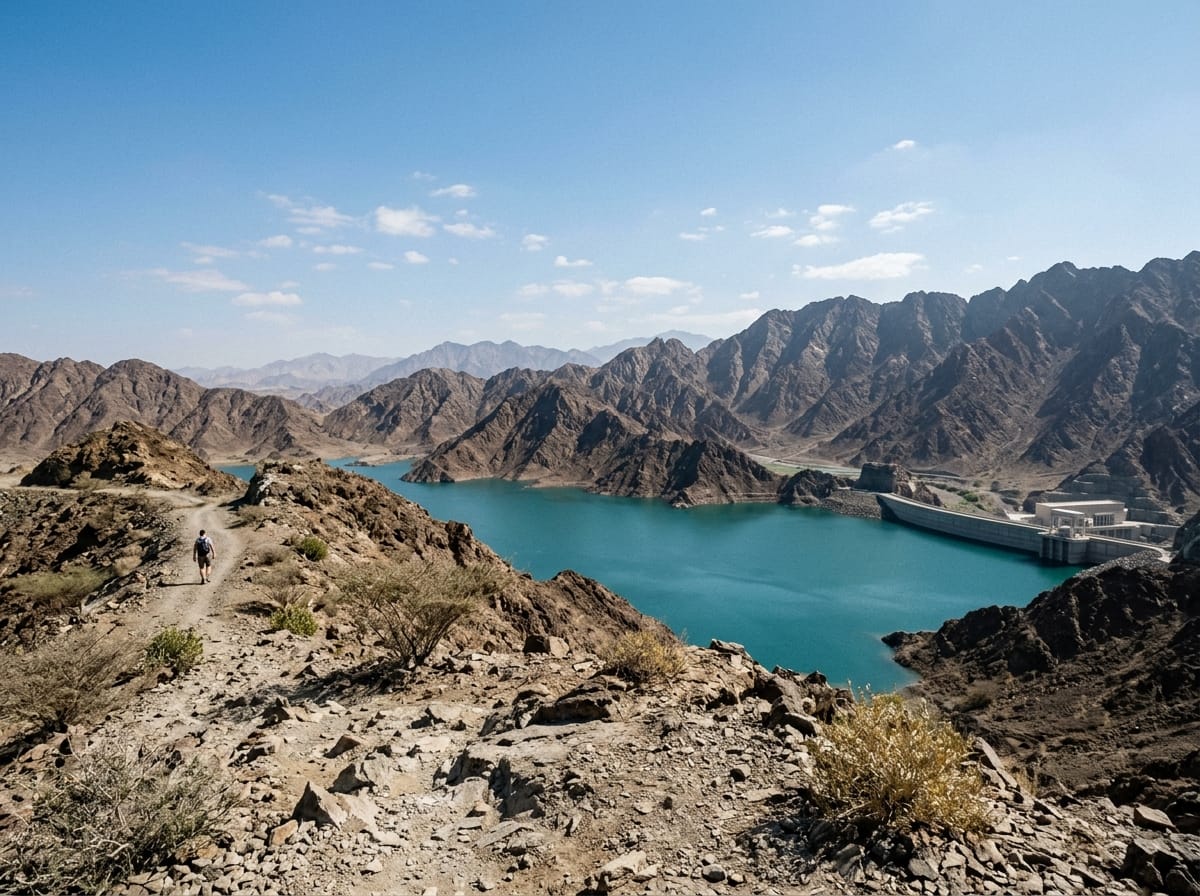
A little preparation goes a long way in the Hatta mountains. Checking the road, the weather, the opening hours and your own supplies turns a rushed outing into a relaxed day. The landscape rewards those who come ready. And if you want a compact overview of the region, the guides on hattamountaintourdubai.com offer a solid starting point for your planning.
Ends · HATTAMOUNTAINDUBAI